
Resync
Shocking Facts You Should Know
About Keto & Collagen

If you want evidence-based clarity on which supplements are good or no good on a ketogenic diet, you’ve come to the right place. You can read high and low on the internet (I’ve included some links to check out at the end of this article), but I am confident that you won’t find better information than right here.
Keto is hot these days, and for good reason. Keto is blowing up research journals and medical practices alike with its effects on improving brain health, reversing diabetes, promoting weight loss, and treating metabolic diseases, which explains why it’s been showing up in your news feed and on your grocery store shelves.
I’ve seen a lot of bunk claims about keto, even from reputable sources. That stops here.
Keto, Supplements, and Collagen: Takeaways
- Ketogenic diets are a class of diets that emphasize fats and minimize carbohydrates, putting you in a mild state of ketosis.
- Keto can have cognitive-enhancing, performance-enhancing effects for some people and can help with metabolic issues like trouble losing weight or diabetes control.
- There are healthy versions and unhealthy versions of ketogenic diets, make sure you have good information to find the right version of the diet for you.
- There are recommended supplements to make sure your ketogenic diet doesn’t accidentally cause any complications.
- You should pay attention to collagen protein, nitrates, and antioxidants on a ketogenic diet. You can find all of these in one place: Resync Collagen.
- Talk with a healthcare provider before and during a keto diet.
Keto: What You Need To Know
Ketogenic diets focus in on macronutrients to get their effects (your three macronutrients, or “macros”, are carbs, fats, and proteins). On keto you limit carbohydrates and make up for it with added fat. Lots of added fat.
Treating epilepsy with keto for over 100 years has cleared up the “how-to” and “how-not-to” of going low-carb. Recent research has shown that with a little planning and support, going low-carb can be safe and sustainable.
The goal of a ketogenic diet is to put your body in a state called ketosis. Ketosis is when most of your body is using ketones instead of carbohydrates as fuel. Ketosis is shift in your body’s metabolism, and those shifts can give you an advantage or can shell out side-effects.
Your body in ketosis is running on different fuel and operates by a different set of rules. If you don’t pay attention to the new rules of keto, you’ll send your body into metabolic havoc. You wouldn’t want to cut carbs for nothing, so make sure you have the support and information you need!
Note that there is no one ketogenic diet. Research shows that the best level of ketosis is different for everyone. Your genetics, preferences and activity level will decide how much fat, protein and carbs you eat.
Keto Vocab
Not hip with the lipid lingo? Refer to these terms when you need some clarity.


Should I Go Low-Carb?
Ketogenic diets are used in three major settings: seizure control, metabolic therapy, and sports / performance. I’ll talk about the latter two here. If you need to go low-carb for seizures, your neurologist should be the first person you talk to.
Going low-carb isn’t a magic bullet. But even if you don’t get the results you want from cutting out bread and sweets, it can provide powerful advantages in many settings.
Ketogenic Diet As Metabolic Therapy
If you’re interested in using a ketogenic diet to regulate metabolism―like weight-loss, diabetes control, and others―make sure all your bases are covered. Do not try a ketogenic diet without letting your healthcare provider know! They will be able to adjust your medications and keep track of your side-effects and bloodwork if necessary.
For diabetes, NAFLD, metabolic syndrome, and weight loss the research on keto is fairly new, but quite promising1.
Low-carb can be as effective as other diets (like the ‘90s-era low-fat) for weight loss2. There seems to be as much variability between different people’s responses in any diet you choose.
According to the American Diabetes Association, well-supported low-carb may be MORE effective than conventional care for diabetes management3, but we can’t say what the long-term outcomes might be (check out Virta4 Health for Keto and T2D).
Ketogenic Diet For Sports And Performance Enhancement
Using a ketogenic diet or ketone supplements for athletic performance holds huge potential, especially for continuous endurance exercise or explosive force exercises5.
Ketogenic diets can ramp up fat burning, raise your VO2 max6, and may improve mitochondrial function7.
Ever had stomach pains from those supposedly endurance-increasing sugar-shots? Try a ketone supplement or fat-loading to minimize gut-discomfort.
Ever had your energy levels suddenly bonk mid-race? If you’re keto-adapted, it’s much harder to run out of fuel compared to a typical glucose-dependant carbohydrate-fed athlete.
Even though some people swear by keto for their performance, the research is not quite so clear. Sometimes going low-carb can even decrease anaerobic exercise performance8 or decrease oxygen efficiency9 so it’s best not to try this anytime near game day.
Whatever your motivation, there’s an art and a science to ditching carbs. Before we get into the best supplements for keto, let’s clear up some of the inconsistencies I see on the internet all the time.
The Rules of Keto
Restricting your carbs might sound straightforward. Well, it might until you start reading the ingredients list of every food, supplement, and medication you come across.
The learning curve for going low-carb may be steep, but the benefits are real. Set yourself up for the long haul by starting with the right information.
• Ketogenic Diet For Sports And Performance Enhancement
Whether its a dietitian, doctor, knowledgeable health coach, or some other professional, having support you can rely on will make or break your keto experience. They can connect you with resources and keep track of symptoms.
Plus, the quality of information you get with a one-on-one makes the internet look like a cesspool of fake news.
Having your friends, family, and coworkers on-board will be helpful too. Case in point, nothing beats the temptation of break-room donuts like not having them there at all. Suggest a veggie plate instead of your standard sugary appetisers and snacks and you’ll be appreciated by everyone who cares about adding value to their years.
The last support you’ll need is how to support yourself. Our world doesn’t make it easy to go against the grain, even when going with the grain is the worst thing you can do for you health.
You’re going to get derailed, and you’re going to get back on track. If your love for yourself for trying is greater than how much you might hate yourself for failing in the first place, then you’ll be able to get up all the faster next time.
- Going low carb is going to new frontiers.
- Get the support of your healthcare provider, your family and friends.
- And prepare your own psychology to propel you to success.
• What Kinds & How Many Carbs Should You Eat?
Everybody needs a different level of carbs. One person might find 20 grams of carbs per day perfectly appetising (that’s about as much as a couple handfuls of crackers!), while somebody else might have trouble getting below 60 grams and still enjoy their food.
Generally speaking, a happy medium between 20 and 60 grams of carbohydrates per day will get your ketone level to where you want it. If you exercise regularly, you can get away with more on training and competition days.
There is an art to cutting carbs. Cutting out fiber- and antioxidant-rich vegetables and berries is probably not a good choice, but getting rid of processed grains and sugar is a no-brainer.
Check out the table below to see which carbs you should be prioritizing over others.
| Best And Worst Carbs For Keto | Table header 1 |
|---|---|
| Best | These do not belong in any low-carb diet plan. •Berries (wild-blueberries are best) •Hi-fiber vegetables (green veggies are best) •Cheese, cream cheese •Coconut cream or heavy whipping cream •Flax, chia & hemp •Natural non-calorie sweeteners (stevia, monkfruit, etc.) |
| OK | A little of these won’t set you back far, but it’s best not to eat too many. •NutsOther seeds like pumpkin or sesame •Most above-ground vegetables •Avocados and coconuts •Hard alcohol (in moderation!)* |
| Limit | These should be limited unless you’re on a fairly liberal low-carb diet. •Legumes / beansRoot veggies •Starchy vegetables •Most dairy (yogurt, cottage cheese, milk, etc.) and nut milks •Dry wine & low carb beers* |
| Avoid | These do not belong in any low-carb diet plan. •Sugar and sweets •Refined grains (bread, flour, etc.) •Cocktails, beer, dessert wine* |
*Resync supports the FDA recommendation to limit alcohol consumption to 2 drinks or less per day for men, and 1 drink or less per day for women. Consume alcohol responsibly, and if you want to eliminate inflammation, eliminate alcohol.
- Find the best level of carbs for you. Pick berries and veggies over processed foods & eat a variety of high-nutrient options.
• Should You Pay Attention to Protein for Ketosis?
Low-carb may sound like it’s all about fats and carbohydrates, but not paying attention to protein is a common pit people fall into.
Protein can be broken down into glucose when your body needs to. This process, called “gluconeogenesis”, happens depending on the type of protein you eat and the level of stress your body thinks it’s in.
When you’re still adapting to keto, your body will think it’s in a stressful state. If you’re eating a lot of protein to make up for the carbs that got cut out, you’ll never get into ketosis and you probably won’t feel that great.
If the amino acids in your protein are out of balance, that can also bump you out of ketosis. Specific protein supplements will likely do this too.
Generally, your protein should be around 1 to 2 grams per kilogram bodyweight (that’s 2.2 to 4.4 grams of protein per pound of body weight).
Your needs will closer to 2 g/kg if you’re very active or you’re trying to minimize muscle loss. Your protein needs will go as low as .8 g/kg if you’re not an athlete or if you’re having problems sustaining ketosis.
- Pay attention to how much protein you eat and make sure to not get too much or too little.
• Don’t Fall For “Dirty Keto” Tricks
The question “is keto a healthy diet” comes up again and again, and there is no real answer.
Like every other diet, a ketogenic diet can be unhealthy (AKA an inflammatory “dirty keto” diet) or it can be a diet that’s sustainable and good for you.
Try these tips to minimize the quizzical looks you’ll get by just eating bacon and keto bars:
| What’s The Difference Between Dirty Keto and Clean Keto? | Table header 1 |
|---|---|
| Dirty Keto | Clean Keto |
| No fruit | Choose nutrient dense fruit like blueberries, raspberries, blackberries, cranberries, or cherries. |
| No veggies | Try to get multiple servings of dark-green veggies every day. Go for veggies like spinach, kale, chard, broccoli, cauliflower, leeks, or brussels sprouts. Other colorful vegetables are recommended too! |
| Not enough types of protein | Choose healthy protein sources like fatty fish (salmon, mackerel, tuna, sardines, and anchovies), poultry, and organ meats. For red meat, go for grass-fed free-range. Limit how much processed meat you eat. Yes, even bacon. |
| Too much saturated, trans, and animal fat* | Go for vegetable sources of fat, like olive oil, avocado oil, coconut oil, and coconut cream. Look for the labels “virgin” and “cold-pressed”. MCT oil is great too! Try a serving of nuts, seeds, or avocados. Limit how much fried, burned, hydrogenated, packaged, and processed fats you eat. That rules out most processed keto foods. |
*Research suggests that saturated fat in a ketogenic diet may not carry the same risk for heart disease as it does in a high-carbohydrate diet. If your genetics predispose you to high LDL cholesterol, though, you may still need to moderate your saturated fat and emphasise high-quality sources.
We may have had it wrong with the low-fat diet craze of the ‘90s. Considering how so much recent, high-quality research has shown that cutting out carbs can be healthy, we were definitely missing something.
The healthy versions of low carb have been proven as safe and healthy alternatives to today’s sugar-spiked, industry-sponsored, food environment.
Saturated fat seems to only be unhealthy when it’s mixed with a diet that spikes blood sugar and insulin levels. The metabolic pathways are complicated, but suffice it to say: low-carb is no fad diet.
- Keto isn’t all about bacon and heavy cream. Do your arteries a favor (and win your doctor’s approval) by emphasizing healthy choices when you can.
• How to Win the Low-Carb Game
You probably have a favorite carb, I know I have many! With the right resources, you can find a substitute so you don’t feel like you’re cutting out everything you like eating. As with any diet, success is all about finding replacements that work for you.
For example, a “fat bomb” made of coconut cream and sweetened with a drop of stevia and a few frozen blueberries tastes great compared to the inflammation-bomb of ice cream.
Flax crackers and almond bread do just fine stacked up to conventional bread and crackers.
You’ll want to clear out your pantry of anything with added sugars, grains, and anything else on the “avoid” and “limit” list. Fill your fridge with easy, healthy keto snacks and meals.
There are plenty of other great ideas in the websites listed below.
- “Success is all about finding replacements that work for you!”
• What Should You Expect on Keto?
The first few days of carb-cutting are the hardest. This is when you might get flu-like symptoms (the dreaded “keto flu”) or brain fog that go away after a few days.
If you’re going for weight loss, you might lose pounds of water weight in the first few days. Don’t lose motivation when your weight continues at a more reasonable rate after that.
For exercise and performance, you might lose your edge for the first couple of weeks. But you’ll come back just as strong once you’ve adapted.
There are two different approaches to getting your body in ketosis. One sends your body kicking and screaming into ketosis. After kickstarting ketogenesis by cutting out virtually all carbs, you’ll add them back in slowly until you get to your equilibrium. This method gets rapid results, but you might be more likely to feel the “keto-flu” or fall off the low-carb bandwagon as quickly as you hopped on.
Another method focuses on making durable changes slowly, starting with cutting out specific carbs and continuing to limit carbs until you find your sweet spot. For people who like to live life in moderation, this is a good approach. The changes build on each other slowly until you hardly notice how few carbs you’re eating.
Remember that there are many ways to get into ketosis. Ketone supplements, low-glycemic index diets, Atkins, and others are all viable ways to get your carbs under control.
Regardless of the method, after about a week or so your body adapts and you won’t be craving the same foods that you used to. Nobody knows how long it takes to completely adapt to keto―it’s different for every person―but good guesses fall between 3 weeks and 3 months.
Carbohydrate restriction can have a “satiating” effect, which means you might not feel as hungry as often. If your goal is weight loss, this is a great side-effect. But if you’re choosing the low-carb lifestyle for other reasons, you’ll have to fight to eat enough calories so don’t accidentally shed pounds.
There will be side-effects, especially in the short-term (covered next), but planning your approach and tracking your progress will minimize complications.
- There are many ways to get into ketosis.
- Know what to expect and plan your approach.
• Are There Side Effects Of Keto?
The short answer is: yes. No matter how popular keto has become, it is still a medically-intensive metabolic therapy.
Short-term side-effects (day 1 to 7) are common. The most common are:
| Short-Term Side-Effects Of A Ketogenic Diet | Table header 1 |
|---|---|
| Side Effects: | What to do about it: |
| Trouble sleeping, low-blood sugar & possibly fainting | •Drink a few sips of juice or have a bite of some other carb-y food |
| Excessive ketosis, which can occur initially or if you become sick. This might show up as laziness, panting, an increased heart rate, or low-level urinary acidosis | •Drink a few sips of juice or eat something with carbs •If mild acidosis (<17 mEq/L) is confirmed, a medical provider may treat with 1-2 mEq bicarbonate. •If you’re sick or if symptoms are severe, take a break from a restrictive diet by trying a modified atkins or low glycemic index diet. Talk to your healthcare provider. |
| Nausea, vomiting, stomach pain | •Try to figure out which foods specifically cause the symptoms (e.g. coconut or coconut oil, avocados) •Try at-home remedies for nausea and vomiting (i.e. ginger). |
| Undereating | •Eat often, even if you’re not hungry. •Try a less restrictive, better tasting modified ketogenic diet |
| Dehydration | •Drink lots of water, even if you don’t feel thirsty. Get plenty of minerals like salt, potassium, calcium and magnesium. |
Long-term side-effects are less common. Some of the most frequent ones are:
| Long-Term Side-Effects Of A Ketogenic Diet | Table header 1 |
|---|---|
| Side Effects: | What to do about it: |
| Constipation | Try a fiber supplement or high-fiber vegetables. |
| Hyperlipidemia | Typically this is an auto-correcting short-term side effect. If it continues, then try a less restrictive form of the diet (1:1 keto or a low-glycemic index diet) and eat less saturated fats. |
| Carnitine deficiency | Talk with your healthcare provider about supplementing with L-carnitine. |
If you’re on medications, a ketogenic diet requires your doctor’s supervision and regular check-ins with a supportive dietitian. Even if you’re not on any medications, keto can be hard to stick to and can cause side-effects, especially if you have any of these pre-existing problems:
- Type 2 Diabetes - Ketosis can make high blood sugar levels go down, which is dangerous if you are already lowering your blood sugar with a drug like insulin.
- Unintentional weight loss, poor nutrition - Ketosis might make you want to eat less which is dangerous if you are accidentally losing weight.
- Dehydration and electrolyte imbalances - Ketosis can make your body lose water, minerals, and electrolytes more quickly. Drinking enough water, eating mineral-rich foods, and using specific supplements can minimize this risk.
- Micronutrient deficiencies - Ketogenic diets can restrict healthy foods and result in micronutrient deficiencies. Choosing the right foods and a couple of key supplements will prevent this.
- Family history for kidney stones - Ketosis might increase your risk of kidney stones. Certain supplements and medications can alleviate this risk.
- Metabolic conditions (carnitine enzyme deficiencies, mitochondrial defects, porphyria) - Ketosis requires specific liver enzymes that don’t get much use on a typical diet. Some enzyme deficiencies can be fixed with supplements, but some genetic conditions will mean you cannot safely go low-carb.
4 KEY QUESTIONS TO ASK BEFORE YOU BUY COLLAGEN SUPPLEMENTS
Like & Subscribe to our youTube channel for educational videos on the latest hot topics in the industry
VISIT YOUTUBE CHANNELThe 11 Best Websites For Going Low Carb
These websites have been vetted as the go-to resource for keto-everything. If you’re looking for the best information for starting low carb (besides a dietitian, of course), you’ve come to the right place!
- The Charlie Foundation - With an extensive offering of recipes, educational materials, videos, a database of keto specialists, and other resources, the Charlie Foundation can’t be beat as the go-to resource for going low carb.
- Atkins - Good tips, recipes, premade meals, and tools from the mainstay that was first to use ketosis as a weight loss strategy.
- Virta Health - One of the top ten startups disrupting the U.S. health care scene, Virta’s founders were the OG researchers of keto for diabetes and are betting millions of venture funds that they can reverse type 2 diabetes in 100 million people by 2025. Their blog is generally a high-caliber explanation of keto research.
- Livin La Vida Low Carb - Jimmy Moore has brought together a number of top medical practitioners in co-authored books, blogs, lectures, and an informative and light-hearted podcast for popular audiences.
- Diet Doctor - Billed as the “largest low-carb website in the world” and founded by a medical doctor, the video courses, recipes, app, blogs, podcasts, and other resources are sure to appeal to your carb-cutting mindset.
- PeterAttiaMD - If you’re looking for the latest in medical research look no further. Peter Attia tackles the hardest subjects in the media and the topics that nobody’s talking about yet to empower his following. Buckle up, because it gets technical fast!.
- Ketogenic Diet Resource - Although sometimes not objective and evidence-based, the Ketogenic Diet Resource is a helpful and comprehensive resource with recipes, editorials, and references.
- Carbmanager.com - This is one of the most popular keto-centric calorie-counter apps, but there are many others. When you’re starting out, a scale and a keto calculator of some sort will be keys to your success.
- Ketocook.com - One of many keto-friendly recipe sites. Double check these and any recipes before assuming they are actually ketogenic.
- CarbSmart - A blog and extensive directory of products and resources.
- Keto Subreddit - Ready to get in the weeds? Make sure you’ve got nothing on your calendar when you click this link, because the number of pseudoscience-trolling commenters will keep you on the edge of your seat for hours. That being said, Reddit is a powerful resource that gives you a voice and a community when you’re having trouble finding support.
Going through every one of these recipes, blogs, podcasts, videos, and research articles would be a full-time job in itself! Pick a couple that speak to you and enjoy your deep dive into the keto lifestyle.
Should You Take Supplements On Keto?
Now, for the topic you’ve been waiting for: supplements and keto.
The short answer here is, yes you should be supplementing when you cut out carbs. Altering your metabolism, you alter your need for specific nutrients.
The risk that you’ll actually become deficient is pretty slim, but you’ll want to cover your bases - especially if you’re trying a very strict ketogenic diet. When you cut out carbs, you’re also cutting out key nutrients.
Some supplements minimize side-effects, others minimize nutrient deficiencies, still others get you into ketosis faster.
collagen and keto
We dispel the myths and dish out the facts on keto collagen supplements.
Should You Take Collagen On Keto?
Collagen―the protein that’s made from and that makes up connective tissue―has been getting a lot of press lately. Thousands of personal accounts and dozens of research articles attest to its effectiveness.
The list for what collagen is good for is long and getting longer. Check out our ebook, for an in-depth look at this research, or check out the free information in our blog here:
Reducing pain and increasing mobility in people with arthritis and joint pain
Decreasing wrinkles and increasing moisture in skin
Improving the strength of hair and nails
Speeding up your recovery after exercise so you can get back to performing your best
Increasing bone mineral density
Improving body composition during weight loss


But Is collagen keto friendly? There is actually no clinical research on using collagen while in ketosis, so we have to use clinical judgement to make an educated guess.
Collagen protein does not contain carbohydrates, but it is a protein which can be converted into glucose depending on your metabolic state.
Elegant studies in animals10 and humans11 have shown that when you are adequately fed, some collagen is burned for fuel (i.e. turned into glucose or ketones), and the rest makes it to your connective tissue.
This means that a collagen supplement will probably not hurt your ketone level while delivering some advantages that are crucial for a healthy low-carb diet.
If you are in a highly stressed state, your body can break collagen down and turn it into glucose. This could potentially knock you out of ketosis.
Likewise, if you were in a metabolically demanding state (i.e. running a 10K), the glucose that came from collagen protein is directly used to fuel your muscles―effectively preserving your ketotic state.
Some suggest that you could even eat 20 or so grams carbohydrates per hour during a workout and still remain in a state of ketosis because your muscles are eating that sugar up. Note that for this to work, you have to working out for multiple hours at a time.
So, you can take collagen while on a ketogenic diet, but that doesn’t answer whether you should or shouldn’t. Besides all the other benefits, here’s why I think you should take a collagen supplement if you’re restricting your carbs.
- Collagen is backed by science for offsetting joint pain, losing fat, building muscle, promoting recovery, easing fine wrinkles and dry skin, and many other uses.
- In times of high energy demand, you can get away with eating more carbs while still staying in ketosis.
- Collagen provides key amino acids that are lacking in ketogenic diets.
Ketogenic diets tend to be higher in animal proteins, which have a lot of the amino acid methionine and a relatively low amount of the amino acid glycine. Your body’s ability to process methionine depends on having enough glycine.
When you don’t have enough glycine, the cycle that processes methionine gets backed up and your homocysteine levels can go up. High homocysteine is linked with inflammation and heart disease12, so you definitely want to keep it clamped down by getting enough glycine.
What is the most concentrated source of glycine, you may ask? Collagen.
Technically speaking, your body can make enough glycine on its own to support daily functions, so why should you care so much about it?
Well, based on detailed calculations, how different our prehistoric diet was from what we eat today, and the high rate of glycine-related issues in the modern world, some scientists think that we humans aren’t able to make enough glycine to function our best.13
Other experts suggest that the amino acid proline could also be limiting our health into old age. And do you know what the best source of proline is?
You guessed it: collagen, again.
RESYNC COLLAGEN PEPTIDES
Collagen Types I & III With Nitric Oxide Reds - Support Healthy Circulation & Strength of Every Layer of Your Body
LEARN MORE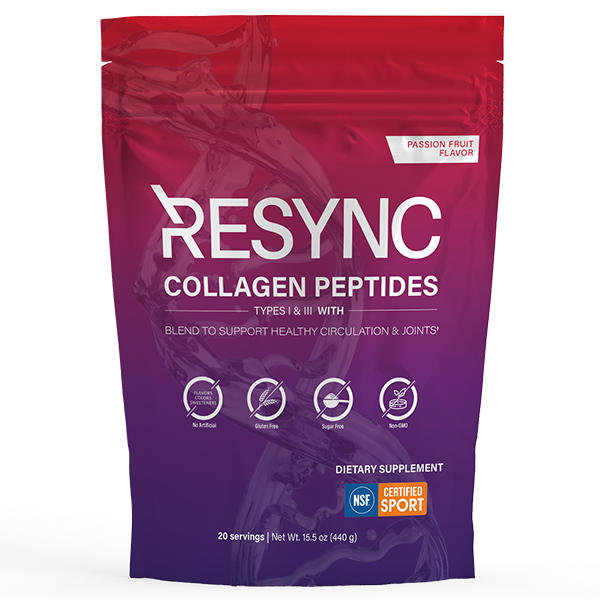
Are you looking to add a collagen supplement but don't know what to look for?
We answer your questions here: Which Collagen Is Best?
But if you don't want to do the work of looking at every label in the supplement aisle, we cut your work out for you by ranking the top ten here: What Is The Best Collagen Supplement On The Market?
Low level deficiencies in either of these results in bone, muscle, and joint injuries, poorer sleep, brain fog and mental issues, and possibly even insulin resistance. All of which can get worse if you’re following a ketogenic diet that has a lot of meat and not enough connective tissues like collagen.
Which begs the question...
Should I Take Collagen for Endurance Workouts on Keto?
No matter what diet you’re on, collagen is an evidence-based way to enhance recovery after performance. Collagen and Keto diet, can be used together without breaking ketosis. As long as you are maintaining an metabolic workout, your body will turn collagen protein into energy.
Since you might be trying low-carb for bumping up your endurance, and endurance sports take a toll on your connective tissue, it’s even more important to take care of your heavily used ligaments and joints with collagen.
Take a look at the data for yourself. Here’s a look at the difference in performance between the two groups over time:
- Supplementing with collagen protein replenishes the connective tissue that gets obliterated during peak training and decreases the time it takes to get back to your maximum.
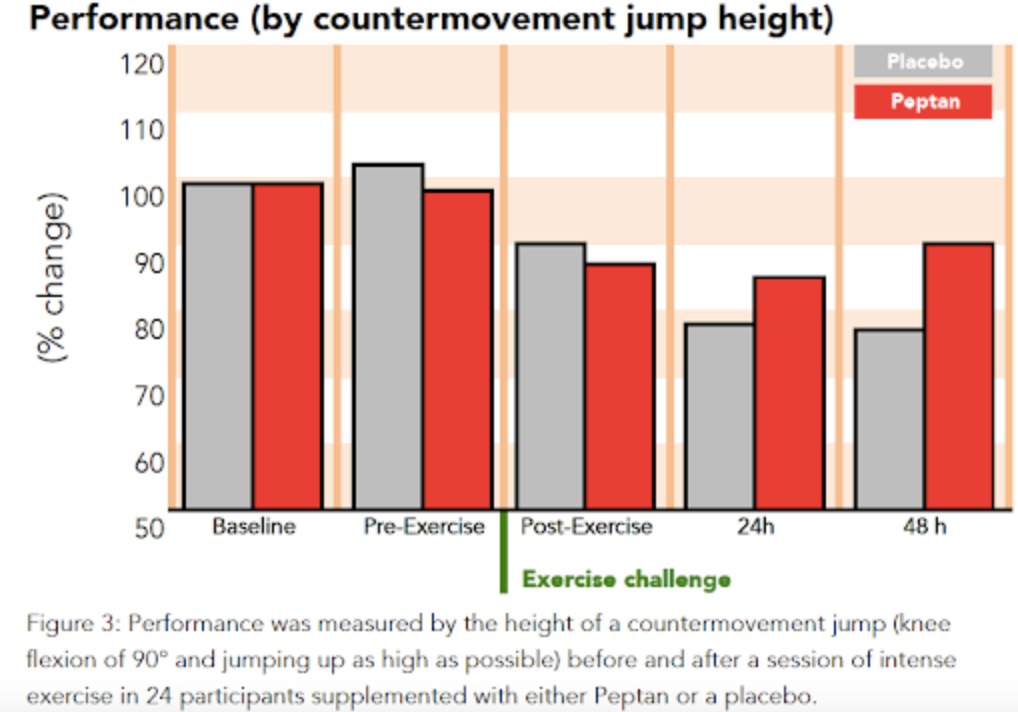
As you can see, the results of the study were promising. Performance was pretty much the same while the participants were just going through their day-to-day activities.
But when the recovery process was triggered after an intense workout, the collagen used in Resync clearly allowed the participants to get back their performance sooner and with less pain.14
Ever heard of delayed onset muscle soreness - that soreness that keeps on giving 3 days after an intense workout? Well, more pain isn’t more gain.
If I take Resync and I’m able to get back to squatting my max while you can still hardly sit in a chair, who’s on track to win the next comp? Try it and you’ll see the difference.
Should I Take Collagen if I’m Doing Keto for Diabetes and Weight Loss?
Is keto collagen good for you? By now, you see why collagen should be a part of any low-carb dieter’s daily supplement regimen, but there are even more keto-specific reasons to take it.
Any supplement that claims to get you fast, effort-free weight loss is definitely a scam. Instead, use science-backed eating habits to maximize your dieting success. Taking collagen is one strategy that can help keep you full for longer and makes that buffet line seem a little less appealing.
Eating gelatin with breakfast can lead to wanting 20% fewer calories at a lunch buffet compared with whey, casein, or soy.15 Gelatin led to 40% lower hunger ratings three hours after breakfast than many of the other proteins tested.
Substitute a few of your breakfast calories for collagen, and you’ll get the long-lasting benefits of a functional food that goes to work on your hunger!
- Those who had gelatin with breakfast ate 20% fewer calories at a lunch buffet compared with those who had whey, casein, or soy. - Veldhorst et al. 2009
Collagen is about 20 to 30% glycine. Even though it’s an amino acid that can turn into glucose, it actually lowers the glucose response in people with diabetes after a high carbohydrate meal.16 Plus, it can lower high HbA1C when taken on regular basis.17
Collagen has a high level of another amino acid, proline. Similar to glycine, proline has been shown to lower the glucose response of carbohydrates and put your metabolism back on track if you have diabetes.
To me, this means that if you’re serious about weight loss or lowering your HbA1c—and you’re probably pretty serious if you’re cutting carbs—collagen should be a front-line approach in your healthy strategy.
- Want to know what to look for in a collagen supplement? Check out our article here.
- Curious how different collagen supplements on the market?
Click here to see our list of the best collagen supplements.
Should You Take Nitric Oxide on Keto?
Nitrates from red beets, beet juice, red spinach, aronia berry/chokeberry and other natural sources convert to nitric oxide in your body. Nitric oxide (N-O for short) then tells your blood vessels to relax, which effectively lowers blood pressure and increases circulation.
Keto can have a blood pressure lowering effect, too.18 So what happens when you mix the two?
Nitrates are one of the best natural energy supplements; they’re typically used as a performance enhancer. Low-carb is touted for endurance enhancing effects as well, so if you’re a healthy, active person you could get twice the benefits of beets, and twice the gains.
Alternately, if you have high blood pressure, the combined effect could be so drastic that you should talk with your doctor about adjusting your medications.
Another common way to boost nitric oxide levels is with L-arginine or citrulline. Although this approach looks good on paper, using these amino acids gives pretty limited results. As glucogenic amino acids, these typically lower your ketone levels. Full-spectrum, nitrate-containing plant extracts, on the other hand, not only deliver better performance and a higher effective dose of nitric oxide,19 but they’ll keep your ketones high.
- Want to know what to look for in a nitric oxide supplement? Check out our article here.
- Curious best beet, nitrate, and nitric oxide supplements on the market?
Click here to see how popular brands stack up to one another.
Should You Take Antioxidants on Keto?
Resync is most well known for the high-quality collagen and innovative use of recovery reds made of natural inorganic nitrates, but our emphasis on whole plant extracts adds another dimension of utility for people on ketogenic diets.
If you’re not getting support from a certified health coach, nutritionist or a specialist registered dietitian, then you might not know about the possible shortcomings of ketogenic diet.
Critics claim that ketogenic diets are not high enough in fiber, antioxidants, or other chemicals that come from plants20 which protects against inflammation and chronic diseases.
Expert clinicians will recommend that your carb allowance should emphasize high-impact, inflammation-fighting fruit and veggies like berries and green leafy vegetables. This is where Resync products shine.
Since we use complete extracts―not isolated antioxidants or synthetic sodium nitrate―Resync provides a range of plant-based antioxidants. Aronia berry (aka. black chokeberry), red spinach extract, and beet powder all provide unique plant compounds that resync your systems into perfect working order.
What makes Resync like no other supplement on the market? Collagen, nitrates, and full-spectrum antioxidants, backed by the highest quality-certifications on the market. If you’re curious, learn more here.
What Are The Best Supplements For Keto?
Here’s the rundown on other supplements you should consider to optimize the gains you can get from ketosis.
Electrolytes & Minerals for Keto
Resync Collagen Blend - Resync Collagen gives you all the benefits of collagen , natural nitrates, and full-spectrum antioxidants, but there are a couple other reasons why it’s the perfect supplement for the low-carb lifestyle.
Resync has no added sugar and serves up the tastiest single carbohydrate in any drink, so you can use it as a substitute for other sugary drinks you might have trouble sacrificing.
In ketosis, you need more potassium and other electrolytes and minerals like sodium, calcium, and magnesium. Without the metabolic effects of sugar on your kidneys, you end up losing a lot more electrolytes in your pee. Collagen and keto diet can work together when incorporated properly.
- Calcium can be an issue. Not only do most people not get enough in a typical diet, a poor keto diet can cut out key sources. Plus, most of the calcium you get in your diet is not very bioavailable. That means that your body doesn’t absorb and use it very well, and it’s not all that common in the first place.
The red spinach extract in Resync is high in potassium, which also keeps your body running smoothly.
Another mineral that everyone—not just a low-carber—should consider is magnesium. Not only have magnesium levels in the food we eat gone down over the past 50 years, it’s also vital for life. It plays a role in regulating muscle contractions, making hormones, the firing of nerves, keeping your heart steady… the list goes on, and most people don’t get enough. - Sodium is more than just in your table salt, it’s virtually everywhere. I’m sure you’re not going to have a problem finding it, but the combination of keto and high training volume can put you at risk of low sodium and dehydration.
Dehydration is no joke, and when you hydrate you need these minerals. Water quenches your thirst, but you has to have these minerals to make it usable for your cells.
Add another level of functionality by buffering these minerals with bicarbonate of soda. A pinch of your run-of-the-mill baking soda will do just fine.
As you can see, the metabolic state of ketosis is no simple set of processes. Just like you hack your metabolism by taking a comprehensive approach, Resync syncs multiple systems to keep you running your best at every level.
L-Carnitine and Low-Carb
After making sure your minerals are balanced in this new metabolic state, the next most important supplement to consider is carnitine.
L-carnitine is known for its effect on muscle building, but taking it on keto isn’t for the purpose of getting swoll. It plays a truly critical role in ketogenic metabolism by strengthening the powerhouse of your cell, your mitochondria.
To make ketones, your cells shuttle fatty acids across the barrier between your mitochondria and the rest of your cell. Your mitochondria generate energy from these fats. This process requires L-carnitine, which your body can make, but only in limited quantities.
When you’re in ketosis, your cells push fatty acids into your mitochondria like a gym rat pushing iron. This uses up carnitine like no other, hence the supplement. Signs that you are sapping your carnitine levels include low ketone levels and general fatigue.
Fiber: Do you Need It On Keto?
Even a healthy ketogenic diet has less fiber than a more conventional “healthy” diet. Fiber is linked to lower inflammation, feeling full for longer, happier gut bacteria, and a wealth of other benefits.
There’s evidence that some of the benefits of fiber can be had with other nutrients, and that the way it works may not be entirely necessary in ketosis, but to me the proven upside is more positive than the potential downside.
Besides, you certainly won’t be doing yourself a favor if you can’t manage to get your bowels regular.
Just because you said a teary goodbye to grains doesn’t mean you should be living fiber-free. The veggies and seeds you’re eating on a clean keto diet get you plenty of fiber. But, on days you forget your greens, grab a fiber supplement and keep your bowels regular and happy!
MCT Oil, Omega-3’s, and Exogenous Ketones
Supplemental oils play an important role in balancing the energy available to you on a ketogenic diet. Most of the oil you eat is in the form of long-chain fatty acids, which require time to be digested and packed into cholesterol so your body is able to use them for energy.
Keto is great for high-intensity explosive power (check out this interview with keto-research legend Dom D’Agostino in which he casually mentions deadlifting 10x 500 lbs. after a 7 day fast)21 as well as low intensity feats of human endurance (like this husband and wife duo who set a record rowing across the Pacific)22, but it doesn’t shine in that middle range.
Enter the ketone-boosting supplements.
Exogenous ketones (meaning, ketone bodies you take supplementally) could be thought of as the shortest, most usable, pre-formed fat you can find. Your body uses them immediately for short- and medium-length exercises. They are the most reliable way to bump your ketones and give you a clear head like few other supplements can.
MCT stands for “medium chain triglyceride”. These are shorter fatty acids that bypass your liver’s fat-packaging system, and go straight to your fat-circulating lymphatic system to give you energy for your day-to-day activities or a performance-day boost.
The last supplemental oil is omega-3 fatty acids. You may have heard of them as anti-inflammatory fats, and you’re right. Although traditionally-thought-of inflammatory fats have different cell-signalling effects in ketosis, it’s still a good idea to take fish oil or another omega-3 to make sure you’re getting a range of types of fat.
Riboflavin (Vitamin B2) and B Complex for Energy
High-fat diets increase how much riboflavin you need by 20-40%.23 Riboflavin helps your cells turn fat (and other macronutrients) into energy.
Other B vitamins are known as some of the best vitamins to boost energy. Eating a dirty keto diet puts you at risk of becoming deficient in many of these, so a B-complex is a reasonable approach.
You could supplement with it, but why not get it from nature’s own multivitamin, liver? Liver is the most concentrated source of B vitamins known (fortified nutritional yeast comes in a distant second if you’re going plant based as well). Besides green veggies, other sources are not very keto-friendly, so make sure to keep tabs on your riboflavin and B intake!
Multivitamin
Your standard multivitamin may be recommended by your doctor. If you’re eating a clean low-carbohydrate diet, this may or may not be necessary but you’ll have all your bases covered if you do. Consider a keto-specific multi if you want the nutritional insurance that a pill might be able to provide.
| What Are The Best Supplements for Keto? | Table header 1 |
|---|---|
| Collagen | Anything you try keto for, collagen can help. Performance, recovery, appetite, weight loss, diabetes and metabolism are the top reasons to try a collagen supplement. |
| Nitric Oxide | If you’re going low carb for endurance or for hypertension & heart health, nitric oxide from nitrates like beets, red spinach, and chokeberry can help you reach your targets. |
| Antioxidants | Give yourself the nutritional insurance that full-spectrum antioxidant extracts can provide with aronia berry, beet powder, red spinach extract, and vitamin C in Resync. |
| Electrolytes & Minerals | Potassium, calcium, sodium, and magnesium are critical for your best performance on keto. In addition to Resync, salt-loading and a magnesium supplement buffered with baking soda is a good choice to optimize your hydration and electrolyte balance. |
| L-Carnitine | Carnitine gets used up faster than you can make it when you’ve turned your body into a fat-burning power-plant. |
| Supplemental Oil | MCT oil goes straight to your circulation, which provides you quick energy when the other fats you eat give you energy for thee long burn. An omega-3 fatty acid supplement like fish oil will make sure inflammation is kept at bay when you’re eating more plant-oils. |
| Exogenous Ketones | There’s no faster way to bump your ketone level and increase your mental clarity than premade ketone bodies. These can also help minimize the side-effects of keto adaptation too. |
| Fiber | Fiber has a host of benefits and can be limited when you’re emphasizing fat. Get a variety of fiber sources to make the billions of bacteria in your gut happy. |
| Multivitamin | A keto-specific multi will cover all your bases if you don’t think your diet is up to snuff. |
| Riboflavin and B-Complex | Vitamin B2 is the fat burner, and you’ll need more of it when you’re powering through coconut oil and avocados. A supplement or foods rich in B-complex vitamins will help prevent your gears from grinding. |
*Please speak with a qualified medical provider before starting or stopping any supplements.
Bottom Line
Whether it’s weight loss, cognitive performance, optimizing endurance, or any other evidence-based reason you’re ditching the carbs and gulping down olive oil, Resync Collagen is a sensible, evidence-based, quality-controlled ketogenic-friendly addition to your supplement regimen.
Author

Detrick Snyder
Tags
Collagen
Nutrition
References
Want To Receive More Nutritional Guidance?
Sign up for our newsletter & get 20% off your order PLUS the latest information to support your health & wellness!